The Best Foods to Eat for Low Energy and Fatigue
May 27, 2026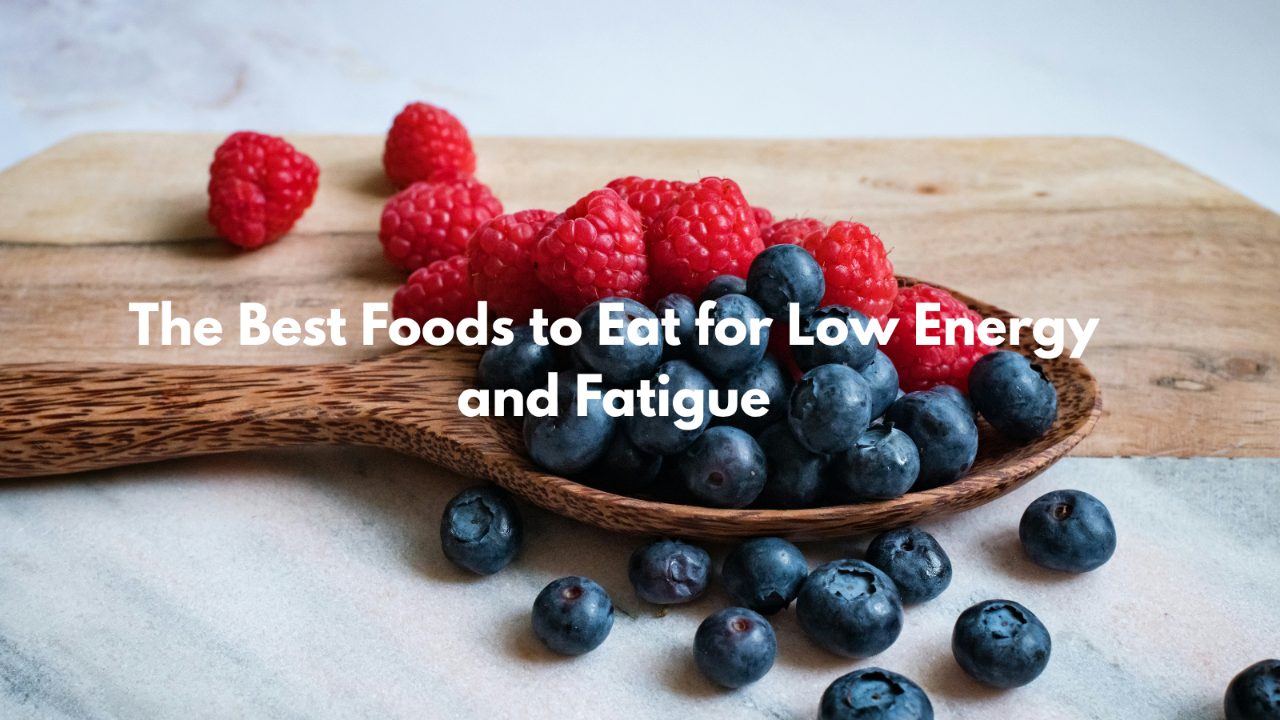
Tiredness has become so normal that most of us have stopped questioning it.
We reach for the coffee, push through the afternoon slump, collapse at the end of the day and wake up the next morning already running on empty. We chalk it up to being busy, getting older or just the way life is. But chronic low energy is not a personality trait. It is a message.
Your body is always communicating. Fatigue is one of its loudest signals. And it almost always points back to something foundational: what you are or are not putting on your plate, how well your gut is absorbing nutrients and whether your cells have what they need to produce energy at the level your life demands.
This is Post #3 in my Food Is Medicine series. We have talked about anxiety and stress and inflammation and today we are going even deeper into something I hear about constantly from my community: "I am just so tired." Let's talk about why and more importantly what to do about it.
Why You Are So Tired
Before the food list, it helps to understand what energy actually is at a cellular level.
Every cell in your body contains mitochondria which are tiny structures whose entire job is to convert the food you eat into usable energy. When your mitochondria are well fed and functioning optimally, you feel it. Sustained energy, mental clarity, physical vitality and a sense of aliveness that doesn't depend on caffeine.
When your mitochondria are not well fed because you are deficient in key nutrients, dealing with chronic inflammation, running on processed food or carrying a toxic load your liver is struggling to clear - your energy production suffers at the source.
The most common nutritional drivers of chronic fatigue include iron deficiency and anemia, B12 deficiency, magnesium depletion, vitamin D deficiency, poor mitochondrial function, blood sugar dysregulation and gut dysbiosis that prevents proper nutrient absorption. Most of us are dealing with more than one of these simultaneously.
The good news: food can address all of them.
Foods That Are Medicine for Low Energy and Fatigue
Dark Leafy Greens: Spinach, Kale and Swiss Chard Iron and folate for your blood and your energy
Iron deficiency is one of the most common causes of fatigue, particularly in women, and dark leafy greens are among the richest plant-based sources of non-heme iron available. Spinach, kale and Swiss chard also deliver folate, which is essential for red blood cell production and oxygen transport throughout the body. No oxygen delivery, no energy. It is that direct. The key to absorbing plant-based iron: pair it with vitamin C. A squeeze of lemon on your greens or a handful of strawberries alongside makes a meaningful difference in how much iron your body actually absorbs.
The medicine: Iron repletion, oxygen transport, red blood cell support and folate
Pumpkin Seeds The most mineral-dense snack you are probably not eating enough of
Pumpkin seeds are one of the most concentrated sources of magnesium in the plant kingdom and magnesium is foundational to energy production. Every single step of the process your cells use to convert food into usable energy requires magnesium. Without enough of it, that process stalls and fatigue sets in. Pumpkin seeds also provide zinc, which supports thyroid function and immune health and iron for blood and oxygen support. A small handful daily is genuinely therapeutic. Add them to smoothies, salads and grain bowls or eat them plain as a snack.
The medicine: Magnesium for cellular energy production, zinc for thyroid support and iron for blood health
Sweet Potato Complex carbohydrates as sustained, clean fuel
One of the most underrated drivers of fatigue is blood sugar dysregulation. When you eat refined carbohydrates and sugar your blood sugar spikes and then crashes, pulling your energy down with it. The afternoon slump most people experience is often this cycle playing out in real time. Sweet potatoes provide complex carbohydrates that release glucose slowly and steadily, keeping your energy stable without the crash. They are also rich in B6, potassium and beta-carotene, which your body converts to vitamin A for immune and cellular health. Eat them as a base, not a side.
The medicine: Blood sugar stabilization, sustained energy, B6 for neurotransmitter support and potassium
Lentils Plant-based iron and protein for the fatigued body
Lentils are one of the most complete energy foods available in the plant kingdom. They provide iron, B vitamins, complex carbohydrates, fiber and plant-based protein all in one. The combination of iron and protein is particularly powerful for fatigue. Protein provides the raw material your body needs to build enzymes, transport oxygen and maintain the muscle mass that supports physical energy. Lentils are also rich in folate, which works alongside iron for red blood cell health. A bowl of lentil soup, a lentil grain bowl or a big pot of lentil dal made at the beginning of the week gives you effortless, therapeutic fuel for days.
The medicine: Iron and folate for blood health, plant protein for sustained energy and B vitamins for cellular function
Avocado Healthy fat for the brain and the adrenals
Chronic fatigue is often partly adrenal fatigue. This happens as the result of your stress response system being overworked for too long. Your adrenal glands require healthy fats to produce the hormones that regulate your energy, stress response and sleep-wake cycle. Avocado provides exactly that, along with B5 which is sometimes called the anti-stress vitamin for its direct role in adrenal hormone production. The healthy fat in avocado also supports sustained mental energy and helps your body absorb the fat-soluble vitamins in the rest of your meal. Add it to everything.
The medicine: Adrenal support, B5 for stress hormone production, brain fuel and fat-soluble vitamin absorption
Berries Antioxidants that protect your energy at the cellular level
Oxidative stress (essentially cellular wear and tear from inflammation, toxins and chronic stress) directly damages mitochondria and depletes your energy production capacity over time. Berries are among the most antioxidant-rich foods on earth and they work directly to protect your mitochondria from that damage. They also support dopamine production, which drives motivation and mental energy, and reduce the neuroinflammation that makes even simple tasks feel exhausting. Eat them daily.
The medicine: Mitochondrial protection, dopamine support, neuroinflammation reduction and antioxidant defense
Maca Root The adaptogen for energy, endurance and hormonal balance
Maca is an adaptogenic root that has been used for centuries in South America as a natural energy and endurance enhancer. Unlike caffeine, which borrows energy from your adrenal reserves and leads to a crash, maca works by supporting the systems that produce energy - the adrenal glands, the thyroid and the hormonal axis that regulates vitality. It is particularly effective for fatigue that has a hormonal or adrenal component, which for many women is most of it. Add a teaspoon to your morning smoothie, oatmeal or golden milk.
The medicine: Adrenal and thyroid support, hormonal energy balance and sustained vitality without the crash
Lemon Water and Hydration The most overlooked energy intervention
Dehydration is one of the most common and most overlooked causes of fatigue. Even mild dehydration (as little as 1 to 2 percent below optimal) measurably reduces physical and mental energy, concentration and mood. Before you reach for caffeine in the morning, reach for water. Starting your day with a large glass of warm water with fresh lemon jumpstarts digestion, supports liver detoxification and delivers a small but meaningful dose of vitamin C to support iron absorption from everything you eat afterward. Hydration may not feel glamorous but it is foundational.
The medicine: Cellular hydration, liver support, digestion and nutrient absorption
Nutritional Yeast B12 and B vitamins in delicious, versatile form
B12 deficiency is extremely common on plant-based diets and one of its primary symptoms is profound fatigue. B12 is essential for the production of red blood cells and the maintenance of the myelin sheath around your nerves. Without enough of it, energy transport throughout the body suffers. Nutritional yeast is one of the best plant-based sources of B12 available and it also provides a full spectrum of B vitamins that support energy metabolism at every level. Sprinkle it on everything — grain bowls, popcorn, roasted vegetables, pasta and soups.
The medicine: B12 repletion, red blood cell support, nerve health and full spectrum B vitamin energy support
A Simple Daily Energy Framework
First thing in the morning: A large glass of warm lemon water before anything else Breakfast: A smoothie with spinach, berries, maca and ground flaxseed or avocado toast on whole grain bread with nutritional yeast Midday: A grain bowl built around lentils or another legume with leafy greens, sweet potato and pumpkin seeds Snack: A small handful of pumpkin seeds and a piece of fruit Throughout the day: Keep water close. Hydration is energy.
A Note on Caffeine
Caffeine is not the enemy but it is not the solution either. If you are relying on multiple cups of coffee to get through the day, that is a signal worth paying attention to. Caffeine borrows energy from your adrenal reserves without replenishing them. Over time, what starts as a morning cup becomes a crutch that deepens the fatigue cycle it was meant to solve. Use it intentionally, not desperately and pair it with the foods above to address the root of what your body is asking for.
Ready to Go Deeper?
The 2026 Spring Glow-Up Reset is a 14-day whole food plant-based guide built around the foods and principles we cover in this series. If you are ready to restore your energy, reset your gut and feel like yourself again — this is where to start.
Get the Spring Glow-Up Reset →
Whitney is a certified holistic nutritionist, plant-based chef, raw juice alchemist and certified yoga instructor. She is the founder of Eat Plants & Prosper.
You're Invited.
Join the Eat Plants & Prosper community and get weekly plant-based recipes, wellness tips, and nourishing inspiration delivered straight to your inbox.