What to Eat in May for a Calmer, More Regulated Nervous System
May 05, 2026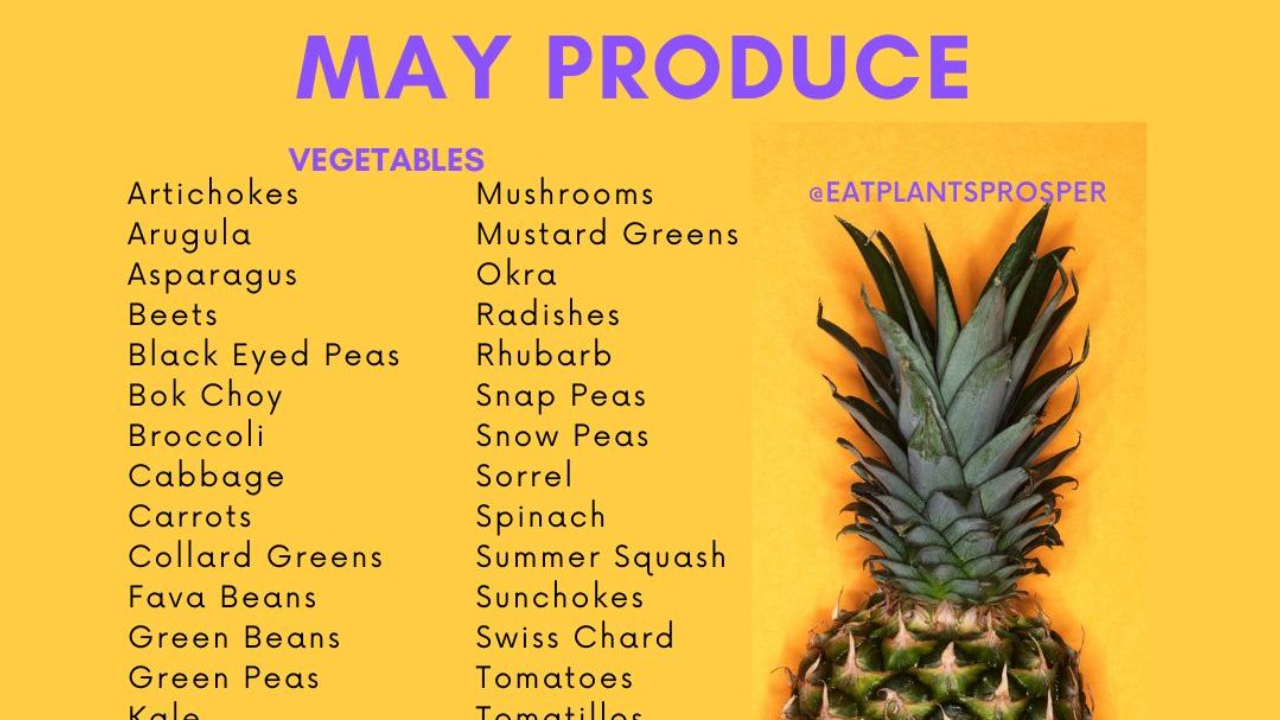
There is something your body has known long before nutrition science had a name for it — that eating with the season is not just practical. It is healing.
In May, the earth is at one of its most generous points of the year. Farmers markets are overflowing. Gardens are waking up. And if you pay attention, what's coming out of the ground right now fits perfectly into what your nervous system needs most in this season of transition, growth, and momentum.
This is Part 4 in my Nourish Your Nervous System series. Over the past few weeks we've talked about the gut-brain connection, the vagus nerve and why stress drives sugar cravings. Today we're bringing it all together with something beautifully simple: food that's already available, already affordable and already designed to support you — right now, in May.
Why Seasonal Eating Supports Your Nervous System
When you eat seasonally, you're not just getting fresher food. You're getting food at its nutritional peak. Produce that ripens naturally and is harvested at the right time contains higher concentrations of the vitamins, minerals and phytonutrients your body actually uses. Versus food that was picked weeks ago, shipped across the country and sitting on a shelf.
For your nervous system specifically, this truly matters. The key nutrients that regulate stress response, support neurotransmitter production and keep your gut-brain axis communicating clearly, magnesium, B vitamins, vitamin C, folate, potassium, are abundant in spring and early summer produce. Your body is quite literally asking for what the earth is already offering.
The May Produce Guide for a Regulated Nervous System
Asparagus The nervous system tonic hiding in plain sight
Asparagus is one of the most under-appreciated vegetables of the spring season. It's rich in folate, which plays a critical role in serotonin and dopamine production (your feel-good neurotransmitters). Low folate is consistently linked to depression and mood dysregulation. Asparagus is one of the most bioavailable plant-based sources of folate you can find. It also contains a prebiotic fiber called inulin, which feeds the beneficial bacteria in your gut responsible for producing much of your body's serotonin. Roast it, grill it, or toss it in a grain bowl. However you can get it in your diet, it's worth it.
Nervous system support: Serotonin and dopamine production, gut microbiome nourishment
Strawberries Your stress response's best friend
Strawberries are at peak season in May and they are loaded with vitamin C which is one of the most important nutrients for regulating your cortisol response. When your body is under stress, it burns through vitamin C rapidly. Replenishing it helps blunt the cortisol spike and brings your nervous system back toward regulation faster. Strawberries also contain anthocyanins (the compounds that give them their deep red color) which reduce neuroinflammation and support brain health over time.
Nervous system support: Cortisol regulation, neuroinflammation reduction, mood stabilization
Swiss Chard Magnesium in leafy form
If there is one mineral that is consistently depleted in people who experience anxiety, fatigue and nervous system dysregulation, it's magnesium. Swiss chard is one of the highest plant-based sources of magnesium available, and it comes into season in May. Magnesium regulates the nervous system by binding to GABA receptors in the brain (the same receptors that anti-anxiety medications target). It also supports quality sleep, muscle relaxation and the production of serotonin. Add it to smoothies, sauté it with garlic, or use it as a wrap.
Nervous system support: GABA activation, anxiety reduction, sleep quality, muscle relaxation
Peas (Sugar Snap & English) B vitamins for your brain
Fresh peas — not frozen, not canned — are a May treasure. They're rich in B vitamins, particularly B1 (thiamine) and B6, which are essential for converting tryptophan into serotonin and for supporting the myelin sheath around your nerves. They also contain zinc, which plays a role in mood regulation and stress resilience. Eat them raw straight from the pod, toss them into salads, or blend them into a spring pea soup.
Nervous system support: Serotonin synthesis, nerve health, mood and stress resilience
Spinach The overachiever of the nervous system garden
Spinach is available year-round but reaches its sweetest, most tender peak in spring. It delivers magnesium, folate, iron and alpha-lipoic acid - an antioxidant that reduces oxidative stress in the nervous system and supports mitochondrial function. When your cells are producing energy efficiently and oxidative stress is low, your nervous system has the resources it needs to stay regulated. Spinach is also one of the easiest greens to incorporate daily — smoothies, juices, salads or wilted into whatever you're cooking.
Nervous system support: Oxidative stress reduction, mitochondrial support, sustained energy
Radishes The gut-cleansing spring tonic
Radishes are one of the most cleansing vegetables of the spring season and they deserve far more attention than they get. They support liver function and bile production which directly impacts how efficiently your gut processes and absorbs the nutrients your nervous system depends on. They're also rich in vitamin C and contain compounds that feed beneficial gut bacteria. Eat them raw, pickle them, or slice them thin over avocado toast.
Nervous system support: Liver and digestive support, nutrient absorption, gut microbiome
Fresh Herbs: Mint, Basil & Cilantro Nervous system medicine in small packages
Don't overlook what's coming up in the herb garden. Mint is a natural nervine — a plant that gently calms the nervous system and supports digestion. Basil contains magnesium and eugenol, which have anti-inflammatory effects on the nervous system. Cilantro is one of nature's chelating plants, helping the body clear heavy metals that can disrupt neurological function. Use them generously.
Nervous system support: Nervous system calming, anti-inflammatory, gentle detoxification
How to Build a Nervous System-Supportive May Plate
You don't need a complicated protocol. A simple framework:
In the morning: Start with something hydrating and mineral-rich like a green juice with spinach and cucumber, a smoothie with strawberries and Swiss chard or a big glass of water with lemon and fresh mint before anything else.
At lunch and dinner: Build your plate around at least two of the vegetables above. Asparagus and peas with a tahini dressing. A big spinach salad with strawberries and hemp seeds. Swiss chard sautéed with garlic over quinoa.
As medicine: Use fresh herbs every single day. They are easy, inexpensive and deeply therapeutic.
This is not perfection. This is intention. And over time, intention compounds into transformation.
Want a Full 14-Day Framework?
Everything we've talked about in this series — gut-brain healing, nervous system nourishment, seasonal plant-based eating is woven into the 2026 Spring Glow-Up Reset. It's a 14-day whole food plant-based guide with 28 recipes designed to reset your gut, regulate your nervous system and bring you back to yourself this spring.
May is still very much spring. And your body is still very much ready.
Get the Spring Glow-Up Reset →
Whitney is a certified holistic nutritionist, plant-based chef, raw juice alchemist, and certified yoga instructor. She is the founder of Eat Plants & Prosper.
You're Invited.
Join the Eat Plants & Prosper community and get weekly plant-based recipes, wellness tips, and nourishing inspiration delivered straight to your inbox.