The Best Foods to Eat to Fight Inflammation
May 18, 2026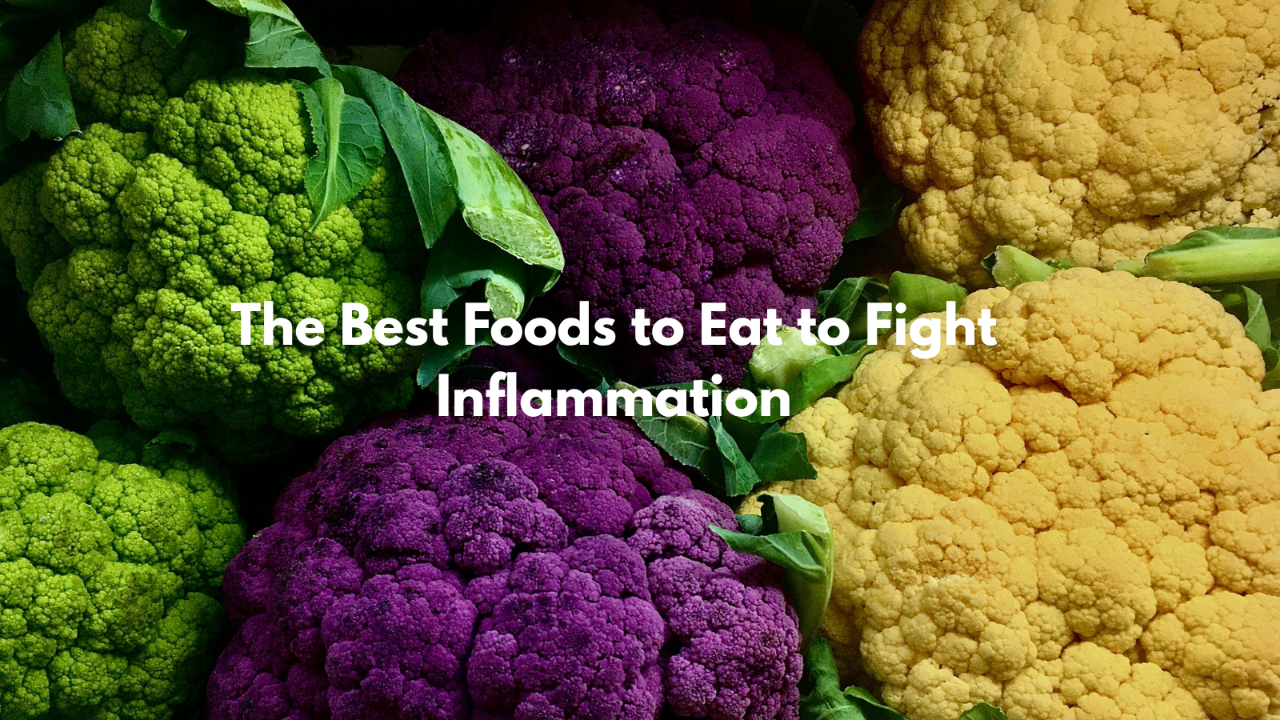
Inflammation is not the enemy.
In its acute form (the swelling around a cut, the fever that burns off an infection) inflammation is one of your body's most intelligent responses. It is protection. It is healing in action.
The problem is chronic inflammation. The kind that simmers under the surface for months or years, quietly disrupting your hormones, your gut, your joints, your mood and your immune system. The kind that doesn't announce itself with obvious symptoms but shows up eventually as fatigue, brain fog, unexplained pain, skin issues, digestive problems and over time as the foundation of most modern chronic disease.
The food you eat every day is either feeding that fire or putting it out.
This is Post #2 in my Food Is Medicine series. Last week we covered anxiety and stress and it's worth noting that chronic stress is one of the primary drivers of chronic inflammation. These two conditions are deeply connected, which means the foods that calm the nervous system often overlap significantly with the foods that fight inflammation. Your body is always working as a whole.
Today we go deep on inflammation specifically — what it is, what drives it and the foods that are medicine for it.
What Drives Chronic Inflammation
Before the food list, a quick look at the root causes because food works best when you understand what you're working against.
The primary drivers of chronic inflammation include: a diet high in processed foods, refined sugar and industrial seed oils (vegetable oil, canola oil, etc), chronic stress and elevated cortisol gut dysbiosis (an imbalanced microbiome), environmental toxins, inadequate sleep, and sedentary lifestyle. Most of us are navigating several of these simultaneously which is why chronic inflammation is so pervasive.
The standard American diet is essentially an inflammation delivery system with refined carbohydrates, processed meats, sugary drinks and trans fats trigger inflammatory pathways at every meal. The anti-inflammatory diet works in the opposite direction by flooding the body with compounds that interrupt those pathways, support the gut and give your immune system what it needs to regulate itself.
Here's what that looks like on your plate.
Foods That Are Medicine for Inflammation
Extra Virgin Olive Oil Liquid gold for the inflamed body
Extra virgin olive oil contains oleocanthal — a compound that inhibits the same inflammatory enzymes as ibuprofen. It is one of the most studied anti-inflammatory foods in the world and a cornerstone of the Mediterranean diet, which consistently produces the lowest rates of chronic inflammatory disease in research. Use it generously, drizzled cold over salads and cooked vegetables.
The medicine: Natural inflammation and pain relief, cardiovascular protection, gut lining support
Berries — Blueberries, Strawberries, Blackberries, Cherries Anthocyanins: the pigment that fights fire
The deep colors of berries are not decorative. They are medicine. Anthocyanins, the pigments responsible for those blues, reds and purples are among the most potent anti-inflammatory compounds found in food. They directly inhibit inflammatory signaling pathways, reduce oxidative stress and protect cells from the damage that drives chronic disease. Berries also support the growth of beneficial gut bacteria addressing inflammation at its microbiome root. Eat them daily, in season and frozen.
The medicine: Inflammatory pathway inhibition, oxidative stress reduction, gut microbiome support
Turmeric The most researched anti-inflammatory plant on earth
Curcumin (the active compound in turmeric) has been the subject of thousands of studies for its anti-inflammatory and antioxidant effects. It inhibits NF-kB, one of the primary molecular switches that turns on inflammation in the body. It reduces cytokines which are the inflammatory proteins elevated in chronic disease. It protects the brain, supports joint health and has demonstrated anti-cancer properties in research. The catch: curcumin is poorly absorbed on its own. Always pair it with black pepper (piperine increases absorption by up to 2,000%) and a healthy fat. Add it to golden milk, smoothies, soups, and grain dishes daily.
The medicine: Full body inflammation relief, brain health, joint comfort and immune support
Walnuts & Flaxseeds Omega-3s: the anti-inflammatory fat your body needs
Most of us are eating way too many inflammatory fats and not nearly enough of the kind that heal. Walnuts and flaxseeds are two of the richest plant-based sources of omega-3 fatty acids — the fats your body uses to calm inflammation at the cellular level. The simplest way to get them in: ground flaxseeds in your morning smoothie and a small handful of walnuts as your afternoon snack. Consistent and easy.
The medicine: Cellular inflammation relief, brain and heart protection and mood support
Cruciferous Vegetables — Broccoli, Brussels Sprouts, Cauliflower, Kale The detox and anti-inflammatory powerhouse
Cruciferous vegetables contain a compound that is activated when they are chopped or chewed and that triggers the body's own antioxidant defense systems while supporting liver detoxification. It has some of the most impressive anti-cancer and anti-inflammatory research behind it of any food compound. These vegetables also support hormonal balance and help reduce inflammation driven by excess estrogen. Lightly steam or eat raw to get the most benefit. Add them to your plate at least once daily.
The medicine: Liver detox support, hormonal inflammation reduction, cancer protection and antioxidant defense
Green Tea Anti-inflammatory medicine in every cup
Green tea is one of the most antioxidant-rich beverages on earth. Its key compound crosses into the brain, protects against oxidative damage, calms inflammatory activity throughout the body and has demonstrated significant anti-cancer properties in research. Two to three cups daily provides a therapeutic dose. Matcha, which uses the whole ground leaf, delivers the highest concentration of all.
The medicine: Full body inflammation relief, brain protection, metabolic support and antioxidant activity
Garlic and Onions The anti-inflammatory duo you're already cooking with
Garlic and onions are two of the most powerful anti-inflammatory foods available and two of the most overlooked. Garlic contains a compound called allicin that is activated when it is crushed or chopped and allowed to sit for a few minutes before cooking. It has demonstrated anti-inflammatory, antimicrobial and immune-supporting effects. Onions are rich in quercetin, a plant compound that calms histamine release and inflammatory activity. Both are also prebiotic, feeding the gut bacteria whose health is foundational to your entire inflammatory state. Use them as the base of nearly everything you cook.
The medicine: Natural antimicrobial and anti-inflammatory support, prebiotic gut nourishment and immune support
Legumes: Lentils, Chickpeas and Black Beans Fiber as medicine for the inflamed gut
Chronic inflammation and an imbalanced gut microbiome are deeply connected. One of the most powerful things you can do for systemic inflammation is feed your gut bacteria and the primary food they need is fiber. Legumes are among the richest sources of prebiotic fiber available and research consistently shows that high legume consumption is associated with lower inflammatory markers and greater gut microbiome diversity. They also provide plant-based protein, folate and iron without the inflammatory load that comes with animal protein. Eat them abundantly and often.
The medicine: Prebiotic fiber, microbiome diversity and systemic inflammation reduction
What to Reduce or Remove
Anti-inflammatory eating is as much about subtraction as addition. The biggest inflammatory drivers to minimize:
- Refined sugar and high-fructose corn syrup — directly triggers inflammatory cytokine production
- Industrial seed oils — soybean, corn, sunflower, canola — extremely high in inflammatory omega-6s
- Ultra-processed foods — drive gut dysbiosis and systemic inflammation
- Refined carbohydrates — white flour, white rice, packaged snacks — spike blood sugar and fuel the inflammatory cycle
- Alcohol — disrupts gut lining integrity and drives systemic inflammation
You don't have to be perfect. You have to be consistent. Every anti-inflammatory meal is a message to your body: I am choosing to heal.
A Simple Daily Anti-Inflammatory Framework
Morning: Green tea or matcha + a smoothie with berries, flaxseed, and leafy greens Midday: A grain bowl or salad built around legumes and cruciferous vegetables, dressed with extra virgin olive oil vinaigrette Seasoning: Turmeric + black pepper in as many dishes as possible Daily staples: Garlic and onions as your cooking base, walnuts as your snack Evening: Chamomile or turmeric golden milk to close the day
Ready to Go Deeper?
The 2026 Spring Glow-Up Reset is a 14-day whole food plant-based guide built around the foods and principles we cover in this series. If you're ready to reset your gut, reduce inflammation, and feel like yourself again — this is where to start.
Get the Spring Glow-Up Reset →
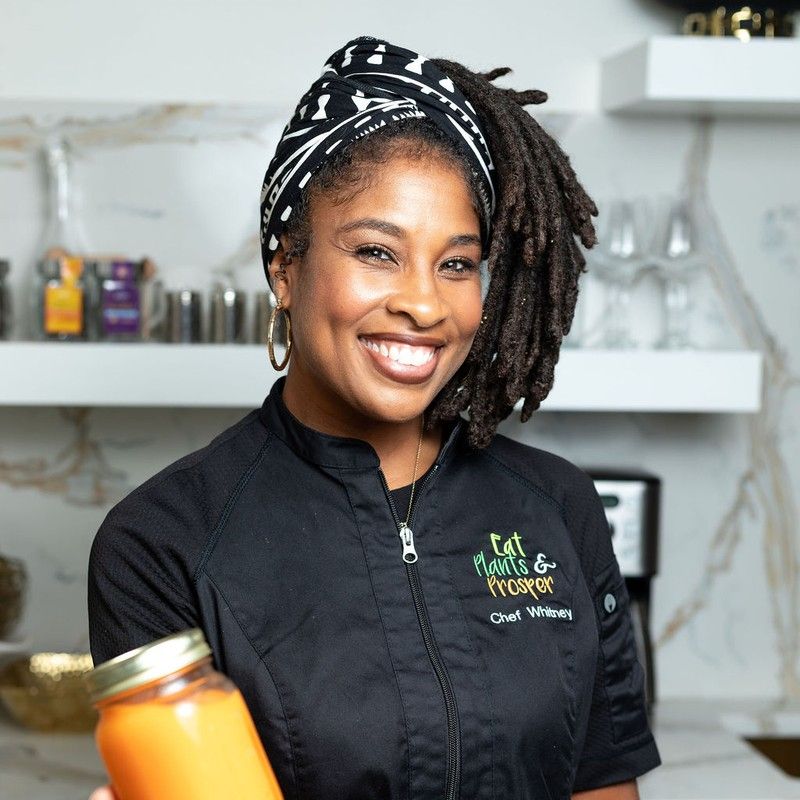
Whitney is a certified holistic nutritionist, plant-based chef, raw juice alchemist, and certified yoga instructor. She is the founder of Eat Plants & Prosper.
You're Invited.
Join the Eat Plants & Prosper community and get weekly plant-based recipes, wellness tips, and nourishing inspiration delivered straight to your inbox.