The Protein Craze - What's Marketing and What's True
Aug 19, 2026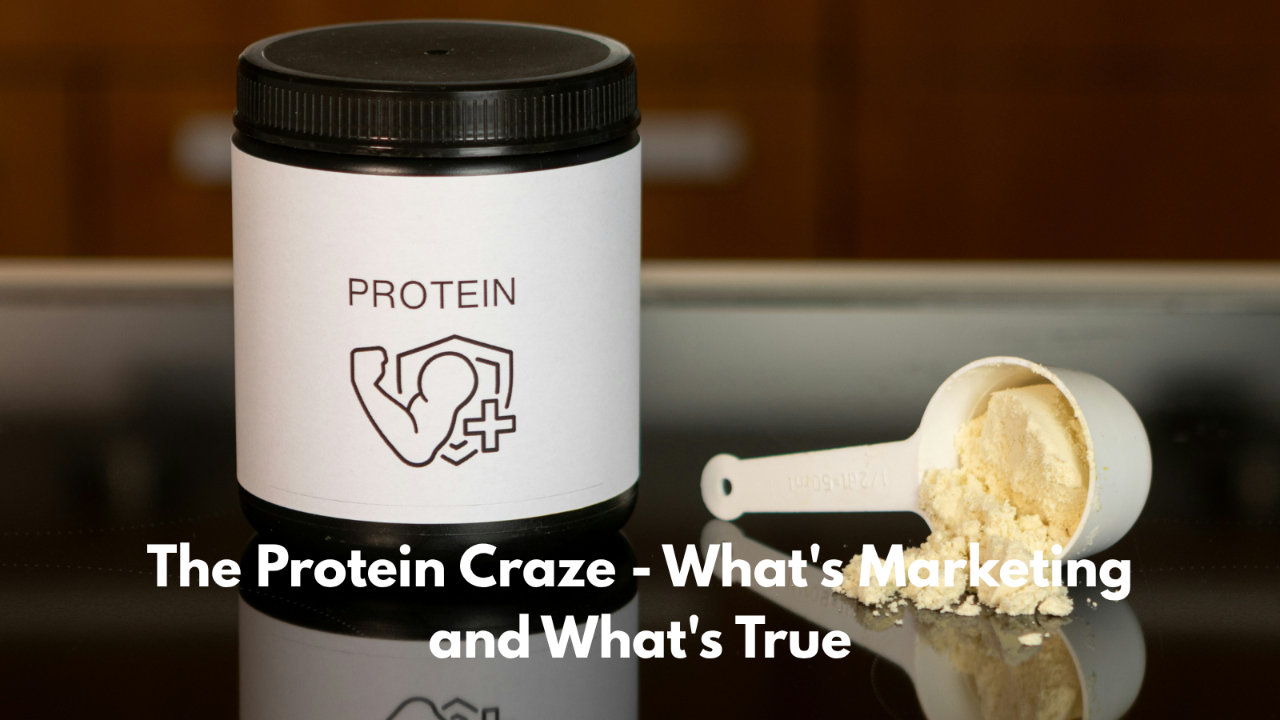
Walk into any grocery store right now and protein is everywhere. Chips, pastries, ice cream, bottled water. Even Starbucks has protein lattes and protein popcorn on the menu now. This isn't an accident. It's a market. And it's a big one - projected to roughly double from $55 billion to over $105 billion by 2034.
Let's actually look at what's driving that, and what's true underneath it.
What the science actually says
The official Recommended Dietary Allowance for protein is 0.36 grams per pound of body weight a day, about 54 grams for a 150 pound person. That number was set as a floor to prevent deficiency, not a target for optimal health. Most Americans are already eating well above it without trying.
Some nutrition experts argue that floor is genuinely too low for certain people (athletes, older adults preserving muscle, anyone in a calorie deficit). That's a fair, evidence-based conversation. Sports nutrition organizations recommend those groups aim for something like 0.54 to 0.9 grams per pound.
But that's a very different claim than what's showing up in your grocery aisle and your For You page. A certain corner of social media has pushed the number to a gram per pound of body weight. Nearly double the sports nutrition recommendation marketed as the standard for everyone, athlete or not. There's also a broader trend feeding this. A huge and growing number of people are now on GLP-1 drugs which cause real muscle loss alongside fat loss so preserving muscle through higher protein intake is a genuine, evidence-based need for that group. Journalists covering the protein boom, including coverage of Starbucks' own protein menu launch, have pointed to that trend as part of what's fueling overall demand.
Here's the part that gets left out
Eating more protein doesn't automatically build more muscle. Resistance training does that, protein just supports it. Consistently eating far above what your body can actually use doesn't provide additional benefit. A protein bar is still a bar. A protein cookie is still a cookie. Many of the most heavily marketed protein products are also carrying added sugar, sodium and ultra-processed ingredients right alongside that protein count on the label.
And every gram of attention going toward protein is attention not going toward fiber, toward the fruits, vegetables and whole grains most people are already falling short on. Protein isn't the villain here. But it was never the hero either. Carbohydrates fuel your brain and your workouts. Fats regulate your hormones. Fiber, a type of carbohydrate most people don't get enough of, feeds your gut and keeps you full longer than protein alone ever will. A body needs all of it, not a contest with one macro crowned the winner.
What I'd rather you focus on
Whole, plant-based foods give you protein without needing it isolated, powdered and fortified into everything else you eat. Lentils, beans, quinoa, tofu, hemp seeds, they carry real protein alongside fiber, minerals and the rest of what your body actually needs in one package, not a marketing claim printed on the front.
You don't need a protein latte to be well nourished. You need a plate that isn't missing anything.
Whitney is a certified holistic nutritionist, plant-based chef, raw juice alchemist and certified yoga instructor with 8 years of experience helping women nourish their bodies and restore their health. She is the founder of Eat Plants & Prosper.
You're Invited.
Join the Eat Plants & Prosper community and get weekly plant-based recipes, wellness tips, and nourishing inspiration delivered straight to your inbox.